

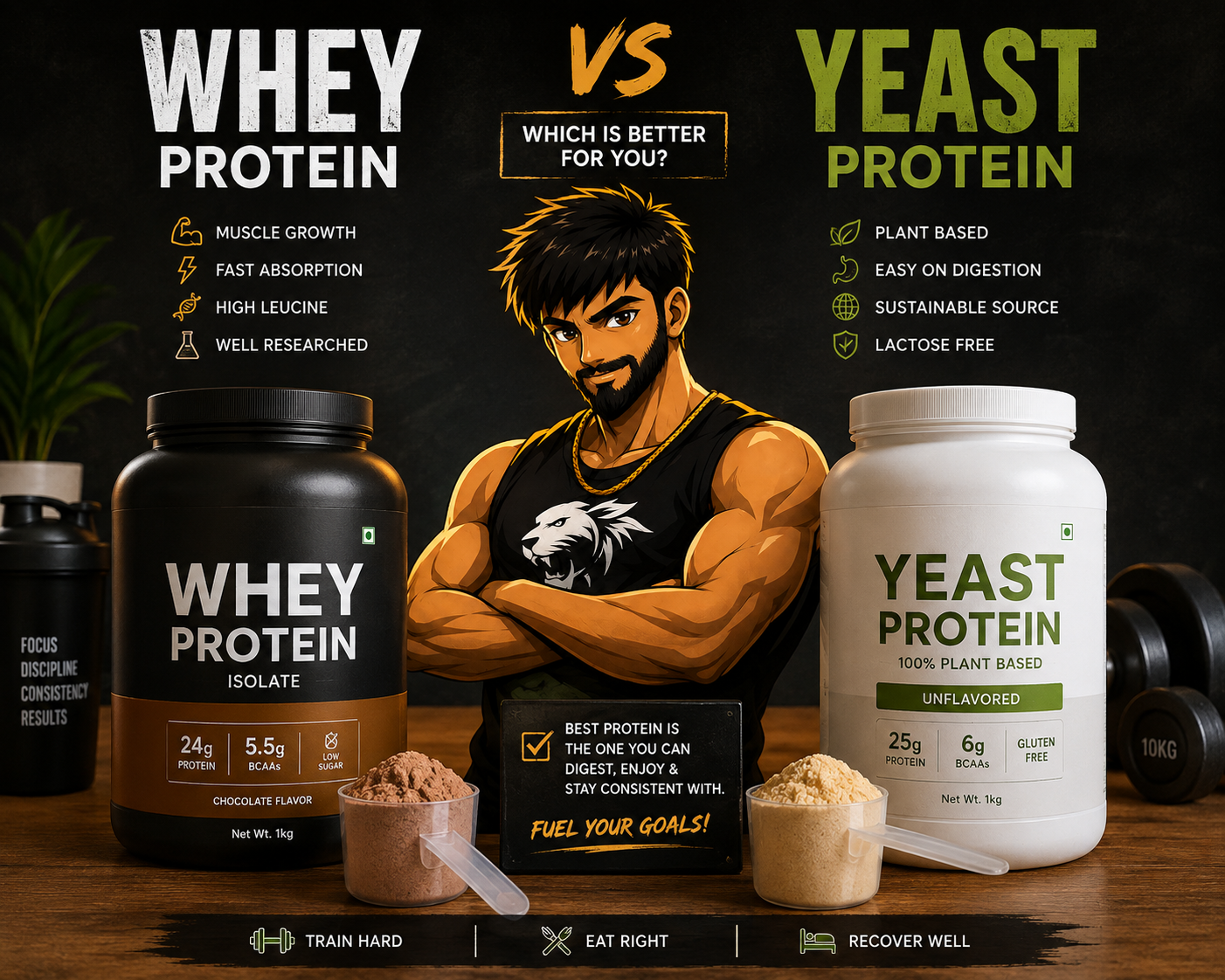
Protein supplements have become a popular part of modern fitness and nutrition. While whey protein has traditionally dominated the market, yeast-based protein is emerging as an interesting alternative, especially for people looking for non-dairy protein sources.
But which one is better for building muscle, recovering after workouts, and meeting your daily protein requirements?
The answer depends on your dietary preferences, digestion, protein quality, and overall goals.
What Is Whey Protein?
Whey protein is a milk-derived protein obtained during the cheese-making process. It is considered a high-quality protein because it contains all nine essential amino acids and is particularly rich in leucine, an amino acid that plays an important role in stimulating muscle protein synthesis.
The two common forms are:
- Whey concentrate: Contains protein along with small amounts of carbohydrates and fat.
- Whey isolate: More highly filtered, with a higher protein percentage and generally less lactose.
Because of its excellent amino-acid profile and fast digestion, whey has become one of the most widely studied protein supplements for athletes and gym-goers.
What Is Yeast Protein?
Yeast protein is produced using yeast or other microorganisms as a protein source. Depending on the product and manufacturing process, the yeast can be cultivated through fermentation and then processed to produce a concentrated protein ingredient.
Unlike whey, yeast protein does not come from dairy.
This makes it potentially attractive for people who want to reduce their dependence on animal-derived dairy proteins or are looking for alternative protein sources.
However, “yeast protein” is a broad category. Different products can have significantly different amino-acid profiles, protein concentrations, digestibility, and processing methods. Therefore, the nutrition label and specific protein source matter.
Whey Protein vs Yeast Protein
| Factor | Whey Protein | Yeast Protein |
|---|---|---|
| Source | Milk | Fermented yeast/microbial source |
| Complete protein | Yes | Depends on the specific product |
| Leucine | Generally high | Varies by product |
| Digestion | Fast | Varies |
| Dairy-free | No | Generally yes |
| Lactose | Present in concentrate; very low in isolate | Generally absent |
| Muscle-building research | Extensive | More limited |
| Taste & texture | Well established | Depends heavily on product |
| Suitable for dairy avoidance | No | Generally yes |
1. Protein Quality
One of the most important factors when comparing protein supplements is amino-acid quality, not simply the number of grams of protein listed on the package.
Whey contains all nine essential amino acids and provides a strong amount of leucine. This makes it particularly effective for stimulating muscle protein synthesis.
Yeast proteins can also provide essential amino acids, but their nutritional quality can vary considerably depending on the microorganism and processing method.
Therefore, don’t assume that every yeast protein is nutritionally identical to whey.
2. Leucine and Muscle Growth
For people who train regularly, leucine is especially important.
Leucine acts as one of the key signals involved in initiating muscle protein synthesis. Whey is naturally rich in leucine, which is one reason it has performed so well in sports nutrition research.
Yeast protein may contain a meaningful amount of leucine, but the exact quantity depends on the formulation.
For maximizing muscle protein synthesis per serving, whey currently has the stronger evidence base.
That doesn’t mean yeast protein cannot support muscle growth. It means you may need to pay closer attention to the serving size and amino-acid profile of the specific product.
3. Digestion and Absorption
Whey is known as a relatively fast-digesting protein, making it convenient after training or whenever you need a convenient source of high-quality protein.
However, some people experience bloating, gas, or digestive discomfort from dairy-based protein, particularly if they are sensitive to lactose or certain components of milk.
Yeast protein can provide an alternative for people who don’t tolerate dairy well.
That said, “dairy-free” doesn’t automatically mean “easy to digest.” Individual tolerance can vary, and the ingredients used in a particular yeast-protein product can also influence digestion.
4. Vegetarian and Vegan Considerations
Whey is derived from milk, so it is not vegan.
Yeast protein, depending on how it is produced and formulated, can be suitable for people seeking a non-dairy protein source. However, consumers should check the complete ingredient list and manufacturer’s certification rather than relying only on the word “yeast.”
For someone following a vegan diet, yeast-based protein could therefore be an interesting alternative to conventional dairy protein.
5. Which Is Better for Fat Loss?
Neither protein automatically causes fat loss.
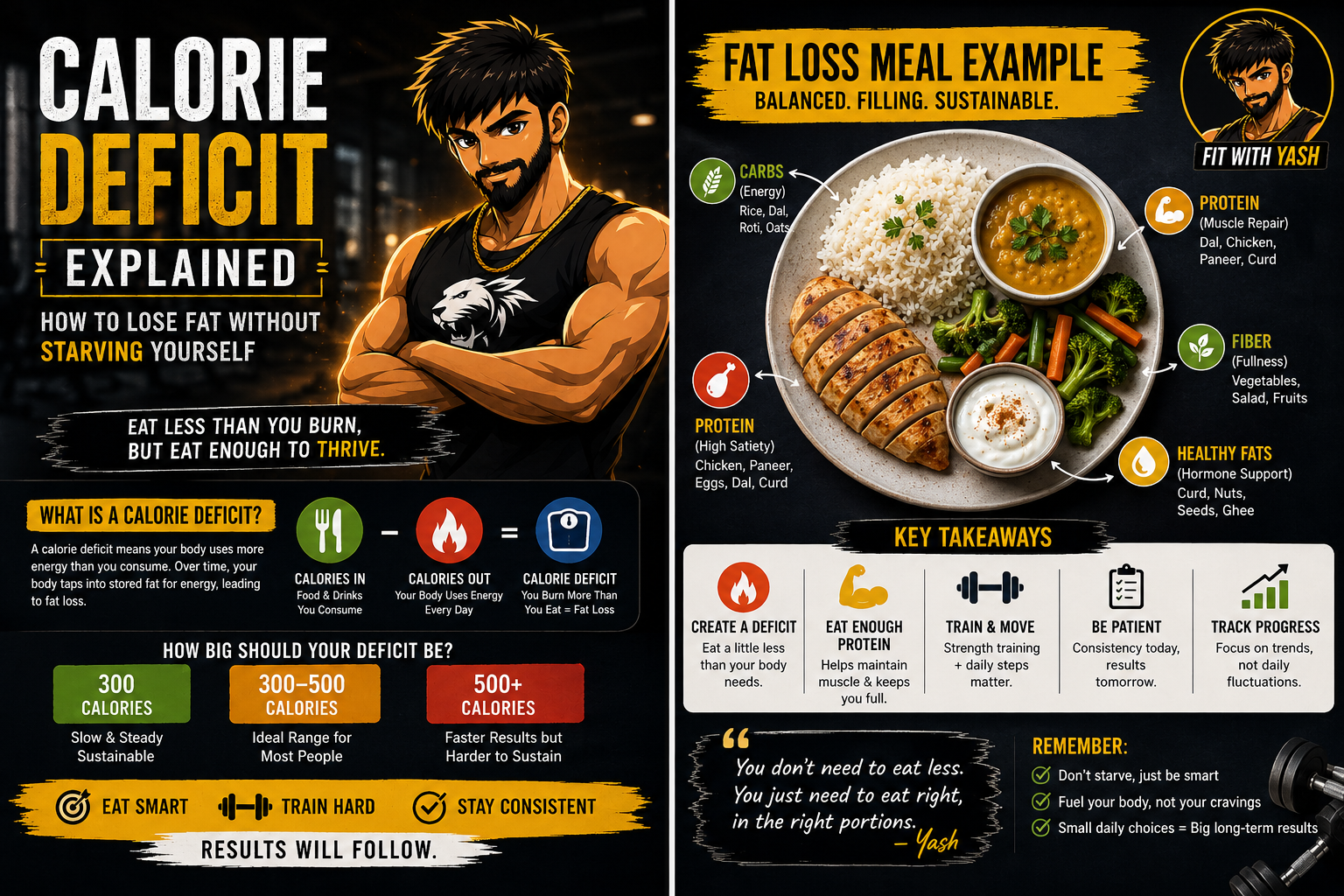
Fat loss primarily depends on maintaining an appropriate calorie deficit over time.
Protein can nevertheless be extremely useful during a fat-loss phase because it helps with satiety and maintaining muscle mass while losing body weight.
Both whey and yeast protein can contribute to your daily protein intake.
The better choice is the one that:
- Fits your calorie requirements
- Provides sufficient protein
- You can digest comfortably
- Helps you consistently reach your daily protein target
- Fits your dietary preferences
6. Which Is Better for Muscle Gain?
If your primary goal is muscle growth, whey currently has the advantage because of its:
- High-quality amino-acid profile
- High leucine content
- Excellent digestibility
- Extensive research supporting its use for resistance training
Yeast protein can still be useful, particularly if you don’t consume dairy or want to diversify your protein sources.
However, don’t judge a protein solely by the number of grams of protein per scoop. Look at the essential amino acids, leucine content, serving size, and overall protein quality.
7. Price and Availability
Whey protein has been around for decades and is produced at enormous scale. As a result, there are many options across different price ranges.
Yeast protein is a newer and more specialized category in the sports-nutrition market. Depending on the brand and manufacturing process, it can be more expensive or less widely available.
As the alternative-protein industry grows, this could change.
So, Which One Should You Choose?
For most people who tolerate dairy and want a well-researched protein supplement, whey protein remains the straightforward choice.
Choose whey if:
- Your primary goal is muscle growth
- You want a highly researched protein
- You tolerate dairy well
- You want a protein naturally rich in leucine
- You want a convenient post-workout option
Yeast protein may be worth considering if:
- You want a non-dairy protein
- You follow a vegan or dairy-free diet
- You don’t tolerate whey well
- You want to experiment with alternative protein sources
- The specific product has a strong amino-acid profile
The Bigger Picture: Your Total Daily Protein Matters
One important point is often overlooked: the protein supplement itself is only one part of your diet.
If you’re consistently meeting your daily protein needs through foods such as eggs, dairy, meat, fish, soy, legumes, or other protein-rich foods, a supplement is simply a convenient way to fill the gap.
For someone who regularly trains, a practical approach is to focus first on total daily protein intake, then consider protein quality, distribution across meals, and convenience.
Final Verdict
Whey protein wins for muscle-building performance and research support, while yeast protein offers an interesting non-dairy alternative.
If you tolerate whey and your primary goal is maximizing muscle growth, there is currently little reason to replace it solely because yeast protein is newer or marketed as an alternative.
However, if you avoid dairy or simply want another high-protein option, a well-formulated yeast protein can be worth considering.
Ultimately, the “best” protein is the one that provides high-quality protein, fits your dietary needs, agrees with your digestion, and helps you consistently meet your overall protein requirements.
Protein source matters—but your overall diet, training, recovery, and consistency matter even more.



Leave a Reply