


10,000 steps a day has become one of the most popular fitness goals in the world. You see the number on smartwatches, fitness apps, and walking challenges everywhere.
But here’s the question: Do you actually need to walk 10,000 steps every day to be healthy or lose weight?
The short answer is no.
There is nothing magical about reaching exactly 10,000 steps. Research suggests that increasing your daily movement is what matters most, and meaningful health benefits can occur well below 10,000 steps.
For some people, 10,000 steps is a great target. For others, starting with 5,000, 6,000, or 7,000 steps may be a much more realistic and sustainable goal.
Let’s break down what the science actually says.
Where Did the 10,000-Step Goal Come From?
Interestingly, the 10,000-step goal wasn’t originally established as a scientific requirement.
The number became popular in Japan in the 1960s with the marketing of a pedometer called Manpo-kei, which roughly translates to “10,000-step meter.”
Over time, the number became associated with health and fitness, and eventually found its way into modern fitness trackers and smartphone apps.
So while 10,000 is a useful round number, your body doesn’t suddenly unlock additional health benefits when your step counter reaches 10,000.
So, How Many Steps Do You Actually Need?
There isn’t one perfect number that applies to everyone.
Research consistently shows that moving from very low activity levels to higher levels of daily walking is associated with meaningful health benefits.
One large study involving more than 78,000 adults found that higher daily step counts were associated with lower risks of all-cause mortality, cardiovascular disease, and cancer, with benefits observed up to approximately 10,000 steps per day. Importantly, the researchers did not find a minimum threshold below which there was no benefit.
Other research has found benefits at considerably lower step counts.
For example, a study of older women found that around 4,400 steps per day was already associated with lower mortality compared with approximately 2,700 steps per day, with the association leveling off around 7,500 steps.
Another study of middle-aged adults found that people taking approximately 7,000 or more steps per day had substantially lower mortality rates than those taking fewer than 7,000 steps.
The takeaway?
You don’t need to jump straight from 3,000 steps to 10,000.
Every increase in activity can be a step in the right direction.
Is 10,000 Steps Better Than 5,000?
Generally, being more active is better than being less active, but the difference isn’t simply “5,000 is bad and 10,000 is good.”
Think of daily steps as a spectrum.
| Daily Steps | What It Could Mean |
|---|---|
| Under 3,000 | Very low daily movement |
| 3,000–5,000 | A reasonable starting point for an inactive person |
| 5,000–7,000 | Good improvement in daily activity |
| 7,000–10,000 | Strong daily activity target |
| 10,000+ | Great if achievable, but not mandatory |
These aren’t strict medical categories. They’re simply useful targets for thinking about your activity level.
If you’re currently averaging 3,000 steps, getting to 5,000 consistently may be a much better goal than forcing yourself to hit 10,000 for a week and then giving up.
What About Weight Loss?
This is where things get interesting.
Walking can contribute to weight loss because it increases the amount of energy you expend throughout the day.
But 10,000 steps doesn’t automatically cause fat loss.
Your overall calorie balance still matters.
If you consistently consume more calories than you burn, walking 10,000 steps won’t necessarily result in weight loss.
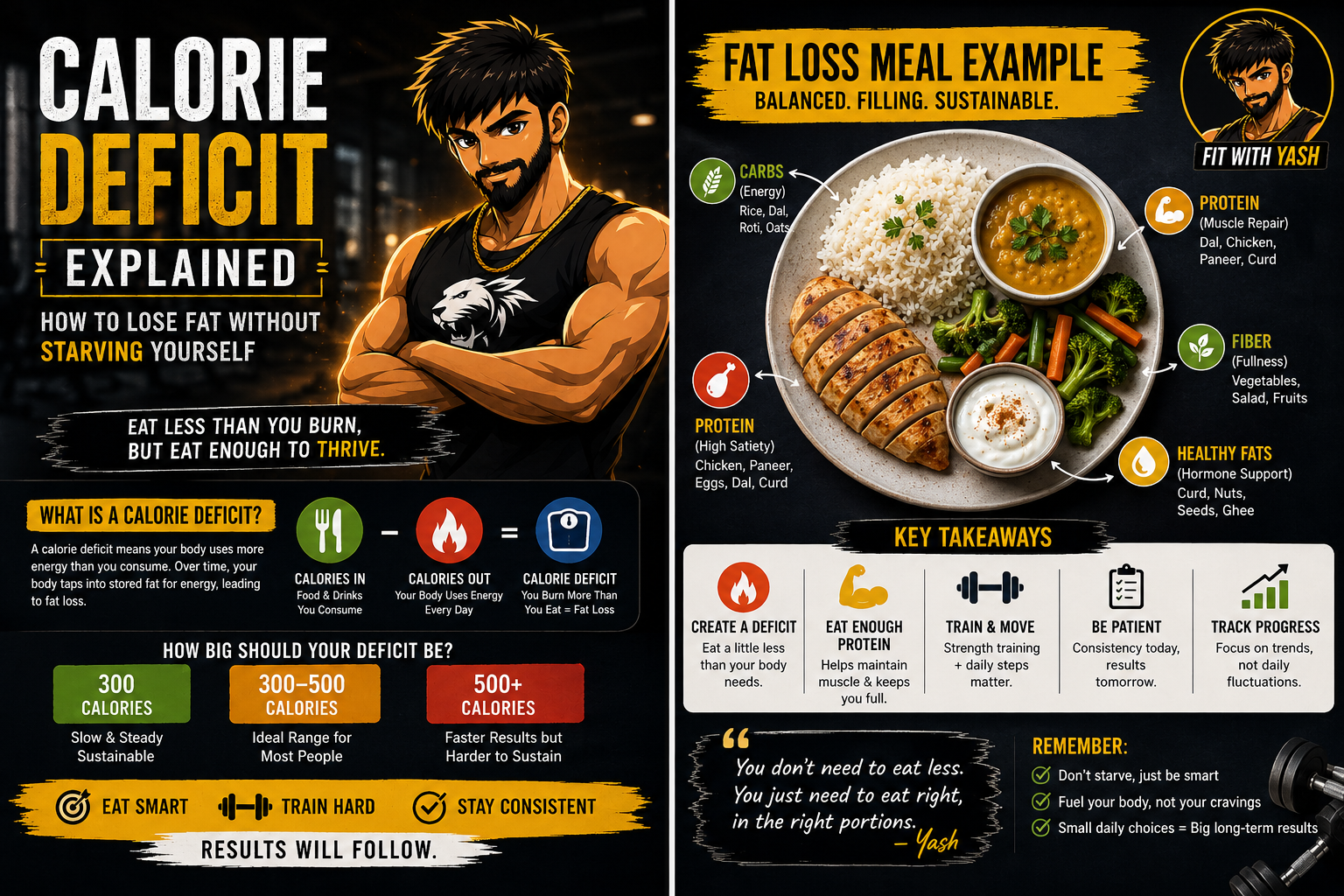
On the other hand, combining regular walking with a sensible calorie deficit can make losing weight considerably easier.
For someone trying to lose fat, I’d rather see:
7,000 steps every day + consistent nutrition
than:
10,000 steps Monday–Wednesday + 2,000 steps Thursday–Sunday.
Consistency wins.
Do You Need 10,000 Steps If You Lift Weights?
No.
If you’re strength training regularly, you don’t need to treat 10,000 steps as another mandatory workout.
Strength training and walking serve different purposes.
Resistance training can help you:
- Build muscle
- Maintain muscle while losing weight
- Improve strength
- Improve bone health
- Improve physical performance
Walking, meanwhile, is an easy way to increase your overall daily physical activity and can help you stay active without creating as much fatigue as harder forms of cardio.
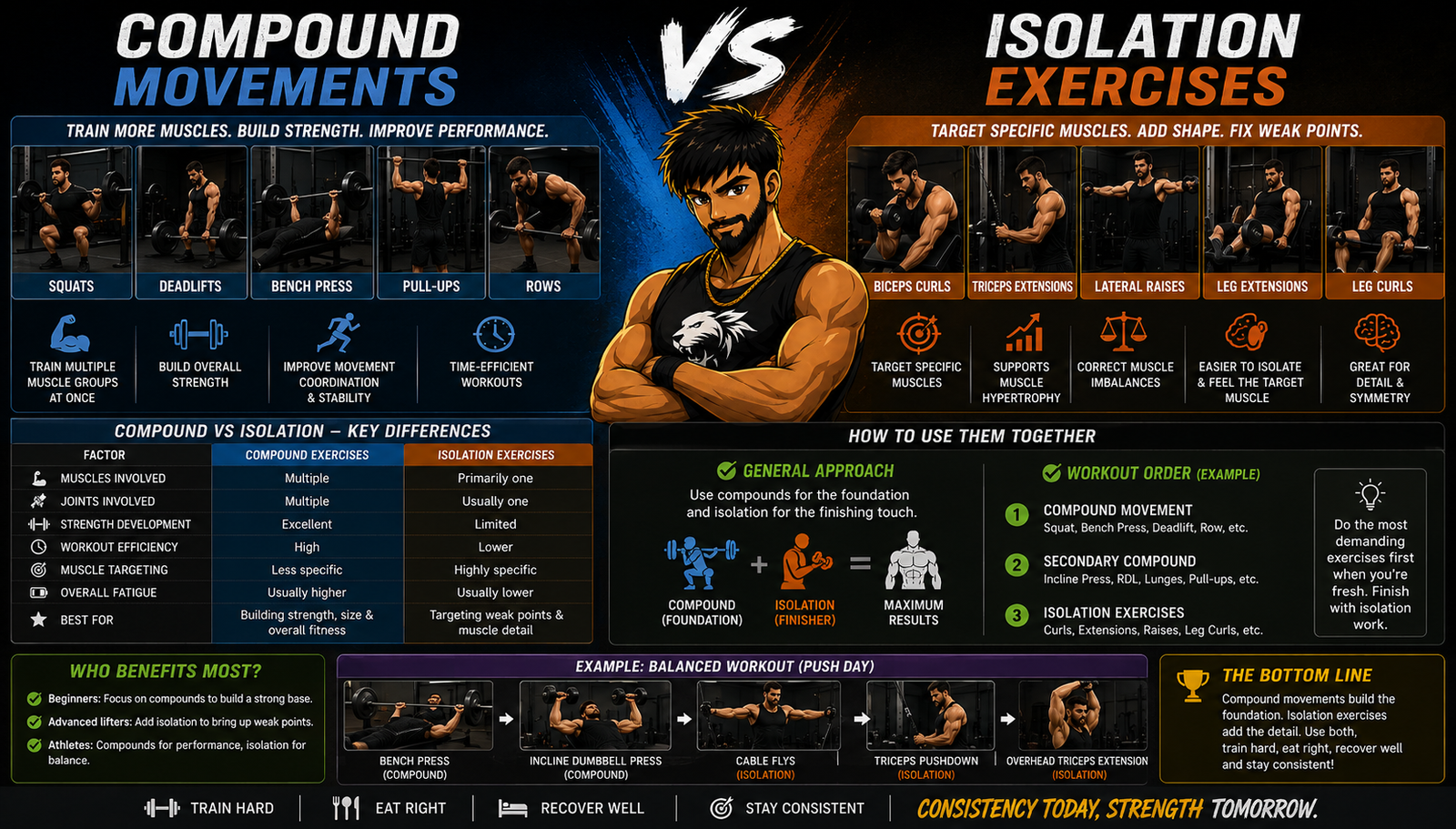
A combination of strength training + walking + good nutrition can be an excellent foundation for general fitness.
What If You Can’t Walk 10,000 Steps?
Don’t worry about it.
This is probably the most important point in the entire article.
If you currently average 3,000 steps, don’t suddenly decide that you must walk 10,000 every day.
Instead, increase your activity gradually.
For example:
Week 1: 4,000 steps/day
Week 2: 5,000 steps/day
Week 3: 6,000 steps/day
Week 4: 7,000 steps/day
Once 7,000 becomes easy, you can decide whether pushing toward 8,000, 9,000, or 10,000 makes sense for you.
Your ideal step target should be challenging enough to increase your activity but realistic enough to maintain.
Do You Have to Hit Your Step Goal Every Day?
Not necessarily.
Interestingly, research has also looked at people who reached higher step counts on only some days of the week.
A 2023 JAMA Network Open study found that taking 8,000 or more steps on just 1–2 days per week was associated with lower mortality risk compared with taking that many steps on zero days, although the study was observational and doesn’t prove that the steps themselves caused the difference.
That doesn’t mean you should only walk twice a week.
It does show that you don’t need perfect consistency to get benefits from being active.
If you have a busy workday and only manage 4,000 steps, that’s okay.
You can make up some activity on another day.
Does Walking Faster Matter?
Step count isn’t the only thing that matters.
Some research suggests that higher-intensity stepping or faster walking may provide additional benefits, although the relationship between walking intensity and health outcomes is more complicated than simply counting steps.
You don’t need to turn every walk into a race.
But adding some faster-paced walking can be a useful way to increase the intensity of your activity.
For example:
Easy walk: Comfortable pace where you can easily hold a conversation.
Brisk walk: You’re breathing faster but can still speak in sentences.
Fast walk: You’re noticeably working harder and wouldn’t want to maintain the pace indefinitely.
For general fitness, a mixture of comfortable and brisk walking can work well.
Is 10,000 Steps Enough Exercise?
Not necessarily.
Walking 10,000 steps is excellent for increasing daily movement, but your overall fitness routine should ideally include more than just step counting.
For example, a well-rounded routine might include:
- Walking: Regular daily movement
- Strength training: 2–4 sessions per week
- Cardio: Depending on your goals
- Mobility: As needed
- Recovery: Adequate sleep and rest
Think of your step count as one piece of the fitness puzzle, not the entire puzzle.
What Is a Good Step Goal for Beginners?
If you’re currently inactive, I’d keep it simple.
Start by finding your current average.
Wear your smartwatch or use your phone for several days and calculate your typical daily steps.
Then increase that number gradually.
For example:
Current average: 3,500 steps
First goal: 5,000 steps
Next goal: 7,000 steps
Optional goal: 8,000–10,000 steps
There’s no prize for reaching 10,000 as quickly as possible.
The goal is to create a level of activity you can maintain for months and years.
Easy Ways to Get More Steps
You don’t necessarily need to schedule a two-hour walk.
Small changes throughout the day can add up.
1. Walk after meals
A short walk after lunch or dinner can add hundreds or thousands of steps over the course of a day.
2. Take the stairs
When practical, choose stairs instead of elevators.
3. Walk while taking phone calls
If you’re on a call that doesn’t require you to sit at a desk, walk around.
4. Park farther away
A few extra minutes of walking every day can gradually add up.
5. Take walking breaks
If you work at a desk, get up and walk around periodically.
6. Go for an evening walk
A 20–30 minute walk after work can be an easy way to increase your daily activity while also giving you a mental break.
Does 10,000 Steps Improve Mental Health?
Walking isn’t just about calories.
A 2025 systematic review and meta-analysis published in JAMA Network Open examined 33 observational studies involving more than 96,000 adults and found that higher daily step counts were associated with fewer depressive symptoms. The prospective evidence particularly suggested lower depression risk among people achieving at least around 7,000 steps per day.
Of course, walking isn’t a replacement for professional mental-health care when that’s needed.
But regular physical activity can be a valuable part of a healthy lifestyle.
So, Do You Really Need 10,000 Steps?
No.
10,000 steps is a useful target, but it isn’t a magic number.
The evidence suggests that meaningful benefits can occur at lower step counts, particularly when you’re moving up from a very inactive lifestyle. Several studies have found associations between better health outcomes and step counts around 4,000–8,000 steps per day, while other research has shown continued associations with benefits up to around 10,000 steps.
Instead of obsessing over one number, focus on progress and consistency.
If you currently average 3,000 steps, aim for 4,000–5,000.
If you’re already averaging 7,000, getting to 8,000–10,000 can be a worthwhile goal if it fits your lifestyle.
And if you naturally reach 10,000 steps every day?
Great. Keep going.
The Bottom Line
You don’t need exactly 10,000 steps a day to be healthy.
There is no magic switch that turns on when your fitness tracker reaches 10,000.
The bigger goal is simple:
Move more, sit less, and find a daily activity level you can consistently maintain.
Whether that’s 5,000, 7,000, 8,000, or 10,000 steps, getting more movement into your day is far more important than chasing a perfect number.
And if you’re trying to lose weight, remember that steps are a tool—not the entire strategy.
Combine regular walking with a sustainable calorie deficit, adequate protein, strength training, and good sleep, and you’ll have a much stronger foundation for long-term results.
Frequently Asked Questions
Is 10,000 steps a day necessary for weight loss?
No. Weight loss primarily depends on maintaining a calorie deficit over time. Walking can increase your daily energy expenditure and make that deficit easier to achieve, but 10,000 steps isn’t a requirement.
Is 7,000 steps a day enough?
For many people, 7,000 steps is a very reasonable daily target. Research has found associations between around 7,000 daily steps and lower mortality risk in middle-aged adults.
Is 5,000 steps a day enough?
5,000 steps is better than a very sedentary baseline, and increasing your steps gradually can provide meaningful benefits. If you’re currently inactive, don’t underestimate the value of simply moving more.
What happens if I don’t reach 10,000 steps one day?
Nothing bad happens. One low-step day won’t undo your progress. Focus on your overall activity across weeks and months rather than obsessing over a single day’s number.
Should I walk 10,000 steps every day?
You can if you enjoy it and it fits your lifestyle. But there’s no requirement to hit exactly 10,000 every day. Choose a target that is challenging, realistic, and sustainable.
What is more important: steps or workouts?
Both have value. Walking increases your overall daily movement, while structured exercise—especially resistance training—can improve strength, muscle mass, and fitness. For a well-rounded routine, use both.




Leave a Reply